
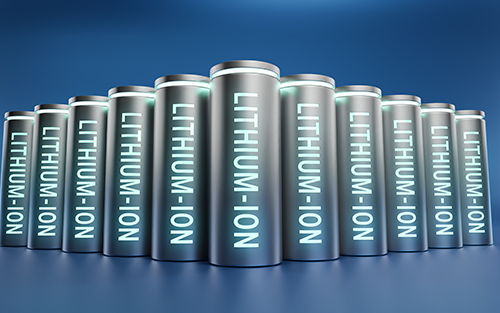
Global Lithium-Ion Battery Giants Accelerate R&D Investment Race
Industry-Wide R&D Expansion
The lithium-ion battery industry is experiencing unprecedented R&D growth. Ten leading companies invested over $6 billion collectively in 2024. This represents a 17% increase from 2022 levels. Companies face dual pressures of reducing costs while improving performance metrics. Key focus areas include energy density, cycle life, and charging speed.
Market Leaders Dominate Spending
CATL maintains absolute leadership with annual R&D exceeding $2 billion. This amount equals the combined investment of the next four largest competitors. The Chinese giant’s spending reflects its strategy to solidify technological advantages. It also accelerates commercialization in emerging markets like electric aircraft.
Korean Powerhouses Maintain Strong Presence
Samsung SDI, LGES, and SK On demonstrate robust research capabilities. Samsung SDI leads this group with nearly $1 billion invested in 2024. LGES follows closely with approximately $800 million dedicated to cell development. Both companies are integrating AI and smart manufacturing into their research programs.
Emerging Players Show Rapid Growth
Chinese companies display the fastest R&D expansion rates. CALB achieved a remarkable 41.3% compound annual growth rate. COSMX followed with 32.1% growth, focusing on consumer battery diversification. These emerging players are closing the investment gap through aggressive research strategies.
R&D Intensity Reveals Strategic Priorities
R&D intensity measures investment relative to revenue. COSMX consistently allocated over 8% of revenue to research. Gotion High-Tech exceeded 10% in 2022. This high intensity reflects the rapid innovation cycles in consumer electronics. It also demonstrates commitment to technological advancement despite cost pressures.

Three Strategic R&D Focus Areas
Companies are concentrating research efforts across three key domains:
- Performance Breakthroughs: Enhancing energy density, charging speed, and temperature adaptability through material innovations
- Application Expansion: Extending beyond electric vehicles into eVTOL aircraft, medical devices, and robotics
- Next-Generation Technologies: Developing solid-state and sodium-ion batteries while integrating AI and smart manufacturing

Diverging Corporate Strategies
Established leaders and emerging players show different investment patterns. CATL maintains stable growth from its massive base. Meanwhile, companies like CALB and COSMX demonstrate explosive growth rates. REPT was the only company showing decreased investment, likely due to financial pressures.
Technology Development Pathways
Material innovation remains the primary focus for performance improvements. Companies are investing heavily in advanced cathodes, silicon anodes, and solid electrolytes. The development path follows materials to cells to performance enhancement. This approach strengthens product competitiveness across applications.
Author’s Analysis: The Technology Arms Race
The lithium-ion battery industry has entered a critical phase where technological superiority determines market position. The significant R&D investments reflect a strategic pivot from capacity expansion to innovation-driven growth. What’s particularly noteworthy is how companies are hedging their bets across multiple technology platforms simultaneously. While established players use their financial muscle to build insurmountable barriers, emerging companies are finding success through focused differentiation. The integration of AI and smart manufacturing into R&D processes represents a paradigm shift that could accelerate innovation cycles dramatically.
Future Outlook and Industry Trajectory
The industry is transitioning from scale leadership to technology leadership. R&D intensity continues climbing across all market segments. Solid-state and sodium-ion batteries approach commercial viability. New applications in aviation and specialized equipment create additional innovation pressure. Advances in materials science and production processes will define the next competitive frontier.
Frequently Asked Questions (FAQs)
Which company leads in lithium-ion battery R&D investment?
CATL maintains the largest R&D budget at over $2 billion annually, exceeding the combined investment of the next four competitors.
What are the main focus areas for battery R&D?
Companies concentrate on performance improvements, application expansion, and next-generation technologies including solid-state and sodium-ion batteries.
How are emerging companies competing with established leaders?
Through higher growth rates in R&D investment and focused differentiation in specific market segments and technologies.
What is R&D intensity and why does it matter?
R&D intensity measures investment as a percentage of revenue, indicating a company’s commitment to innovation relative to its size.
Which new applications are driving battery innovation?
Electric aircraft (eVTOL), medical devices, robotics, and specialized industrial applications are creating new demands for advanced battery technologies.
 No products in the cart.